Beautiful Plants For Your Interior
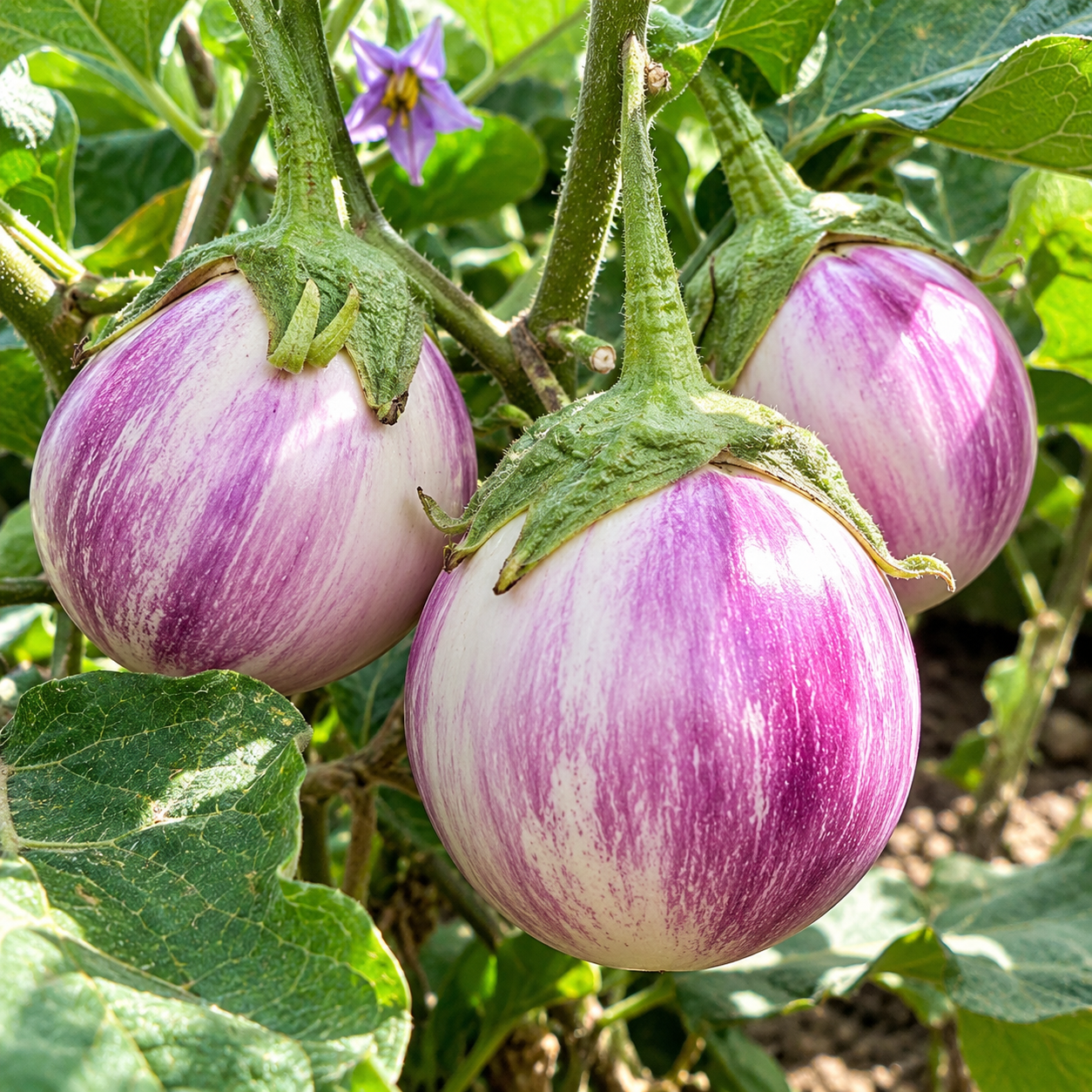
Love my Nature · Rotonda Bianca Sfumata di Rosa
Schön, dass du bei Love my Nature vorbeischaust. Hier findest du Hilfe von der Aussaat bis zur Ernte.
Runde, weißrosa Früchte und mildes Fruchtfleisch: Diese Aubergine braucht vor allem Sonne, Wärme und einen guten Start im Haus.
Love my Nature · Rotonda Bianca Sfumata di Rosa
Welcome to Love my Nature. Here you will find help from sowing to harvest.
Round, white-and-pink fruit with a mild flavour: this aubergine needs sunshine, warmth and a good start indoors.
Love my Nature · Rotonda Bianca Sfumata di Rosa
Bienvenue chez Love my Nature. Retrouvez ici des conseils du semis à la récolte.
Des fruits ronds, blancs et roses, à la saveur douce : cette aubergine demande du soleil, de la chaleur et un bon départ à la maison.
Love my Nature · Rotonda Bianca Sfumata di Rosa
Welkom bij Love my Nature. Hier vind je hulp van het zaaien tot de oogst.
Ronde witroze vruchten met een milde smaak: deze aubergine heeft zon, warmte en een goede start binnenshuis nodig.
Love my Nature · Rotonda Bianca Sfumata di Rosa
Te damos la bienvenida a Love my Nature. Aquí encontrarás ayuda desde la siembra hasta la cosecha.
Frutos redondos, blancos y rosados, de sabor suave: esta berenjena necesita sol, calor y un buen comienzo en el interior.
Love my Nature · Rotonda Bianca Sfumata di Rosa
Benvenuto da Love my Nature. Qui trovi aiuto dalla semina alla raccolta.
Frutti tondi, bianchi e rosati, dal sapore delicato: questa melanzana vuole sole, calore e una buona partenza al riparo.
Monate sind eine Orientierung für Mitteleuropa. Anderswo entscheiden Licht, örtliche Frostgefahr und Wärme. In heißen Regionen Überhitzung vermeiden. Kulturwerte sind Richtwerte, keine Keim- oder Erntegarantie.
Rotonda Bianca Sfumata di Rosa gehört zu Solanum melongena. Typisch sind kräftiger Wuchs, runde bis rundovale Früchte mit weißer Grundfarbe und rosa bis violetten Schattierungen. Das helle Fruchtfleisch ist mild und relativ samenarm, solange die Früchte jung geerntet werden. ReinSaat beschreibt die Sorte als mittelfrüh. Das ist ein Vergleich, kein fester Erntetermin. [1,2]
Sativa erhält diese Sorte in Rheinau und führt sie im Zusammenhang mit ProSpecieRara, einer Stiftung für seltene und alte Sorten. Das beschreibt die dortige Erhaltungsarbeit und ist kein Zertifizierungsversprechen für deine Saatgutpackung. [1]
Months are a guide for Central Europe. Elsewhere, use local daylight, frost risk and warmth. Prevent overheating in hot regions. Growing figures are guidance, not germination or harvest guarantees.
Rotonda Bianca Sfumata di Rosa is Solanum melongena. It grows vigorously and produces round to oval-round fruit with white skin shaded pink to purple. The pale flesh is mild and relatively low in seeds when picked young. ReinSaat describes it as medium-early, a comparison rather than a fixed harvest date. [1,2]
Sativa maintains this variety in Rheinau and lists it in connection with ProSpecieRara, a foundation preserving rare and old varieties. This describes their conservation work, rather than certifying the contents of your seed packet. [1]
Ces mois sont des repères pour l’Europe centrale. Ailleurs, adaptez-vous à la lumière, au gel local et à la chaleur. Évitez la surchauffe en climat chaud. Ces valeurs ne garantissent ni levée ni récolte.
Rotonda Bianca Sfumata di Rosa appartient à Solanum melongena. Sa végétation est vigoureuse et ses fruits ronds à ovales arrondis sont blancs, nuancés de rose à violet. La chair claire est douce et relativement peu grainée lorsque les fruits sont cueillis jeunes. ReinSaat la décrit comme demi-précoce : une comparaison, pas une date de récolte garantie. [1,2]
Sativa maintient cette variété à Rheinau et la présente en lien avec ProSpecieRara, fondation qui préserve les variétés anciennes et rares. Cela décrit leur travail de conservation et ne constitue pas une certification de votre sachet de graines. [1]
De maanden zijn richtlijnen voor Midden-Europa. Elders bepalen licht, plaatselijke vorstkans en warmte het juiste moment. Voorkom oververhitting in hete streken. Teeltwaarden geven geen kiem- of oogstgarantie.
Rotonda Bianca Sfumata di Rosa behoort tot Solanum melongena. Kenmerkend zijn krachtige groei en ronde tot rondovale vruchten met een witte basis en roze tot paarse tinten. Het lichte vruchtvlees is mild en bij jonge oogst relatief zaadarm. ReinSaat noemt het ras middelvroeg: een vergelijking, geen vaste oogstdatum. [1,2]
Sativa onderhoudt dit ras in Rheinau en vermeldt het in verband met ProSpecieRara, een stichting die zeldzame en oude rassen bewaart. Dit beschrijft hun instandhoudingswerk en is geen certificeringsbelofte voor jouw zaadzakje. [1]
Los meses orientan para Europa central. En otras zonas mandan la luz, el riesgo local de heladas y el calor. Evita el sobrecalentamiento en climas cálidos. Son valores orientativos, no garantías de germinación ni cosecha.
Rotonda Bianca Sfumata di Rosa pertenece a Solanum melongena. Crece con vigor y forma frutos redondos a ovalados redondeados, blancos con matices rosas o violetas. La pulpa clara es suave y tiene relativamente pocas semillas si cosechas los frutos jóvenes. ReinSaat la describe como semiprecoz: es una comparación, no una fecha fija de cosecha. [1,2]
Sativa conserva esta variedad en Rheinau y la vincula a ProSpecieRara, una fundación dedicada a variedades antiguas y raras. Esto describe su trabajo de conservación y no certifica el contenido de tu sobre de semillas. [1]
I mesi sono orientativi per l’Europa centrale. Altrove contano luce, rischio locale di gelate e calore. Evita il surriscaldamento nei climi caldi. I valori non garantiscono germinazione o raccolto.
Rotonda Bianca Sfumata di Rosa appartiene a Solanum melongena. Ha crescita vigorosa e frutti tondi o tondo-ovali, bianchi con sfumature rosa o violette. La polpa chiara è delicata e relativamente povera di semi se raccolta giovane. ReinSaat la descrive come medio-precoce: un confronto, non una data certa di raccolta. [1,2]
Sativa mantiene questa varietà a Rheinau e la presenta in relazione a ProSpecieRara, fondazione che tutela varietà antiche e rare. Questo descrive il loro lavoro di conservazione e non certifica il contenuto della tua bustina. [1]
Sobald die ersten Laubblätter da sind, setze gemeinsam gesäte Pflanzen vorsichtig einzeln in Töpfe. Halte sie am Blatt statt am empfindlichen Stiel. Den Wurzelballen möglichst zusammenlassen. [3,5]
Gewöhne die Pflanzen vor dem Auspflanzen schrittweise an Sonne und Wind. Stelle sie zunächst geschützt und hole sie bei Kälte wieder hinein. Abhärten bedeutet diese langsame Umgewöhnung. [3]
Warte auf frostfreies, stabil warmes Wetter und erwärmten Boden, draußen in Mitteleuropa oft bis Ende Mai oder Juni. Pflanze so tief wie zuvor im Topf. Plane etwa 70 cm in der Reihe und 80 cm zwischen Reihen; ReinSaat nennt enger 70 × 50 cm. Unser luftiger Abstand folgt Sativa. [1,2,3,5]
Für diese kräftige Sorte empfehlen wir einen Kübel von etwa 25–30 Litern je Pflanze mit Abzugslöchern und nährstoffreicher, durchlässiger Erde. Das ist eine praktische Empfehlung, kein Mindestwert der Sorte. Direktsaat ist bei kurzen Sommern wegen der langen Anlaufzeit nicht empfehlenswert. In langen warmen Klimazonen kann sie gelingen. [3,6]
Prüfe die Erde mit dem Finger. Gieße, wenn die Oberfläche antrocknet, und durchfeuchte den Wurzelballen, ohne Wasser im Untersetzer stehen zu lassen. Kübel bei Hitze täglich kontrollieren. [3]
Berücksichtige vorgedüngte Erde und vorhandene Bodennährstoffe. Dünge bei Bedarf nach Produktangabe nach. Zu viel Stickstoff fördert Blätter und kann Blüten und Früchte verzögern. [5,6]
Setze beim Pflanzen eine Stütze und binde die Triebe locker an. Große Früchte können Zweige belasten. Ein strenges Ausgeizen wie bei Stabtomaten ist für den einfachen Hobbyanbau nicht nötig; entferne beschädigte Teile und halte die Pflanze zugänglich. [5,7]
Lüfte das Gewächshaus bei Wärme. Bei schwachem Fruchtansatz kannst du offene Blüten vorsichtig erschüttern, um die Bestäubung zu unterstützen. Starke Hitze und Trockenstress vermeiden. [3,7]
Ernte, solange die Früchte fest sind und die Schale noch glänzt. Warte nicht auf eine dunkelviolette Farbe: Weißrosa ist sortentypisch. Matte, zunehmend weiche Früchte mit harten Samen sind überreif. [1,2,4,5]
Schneide mit sauberer Schere ein kurzes Stielstück mit ab. Nicht abreißen; achte auf mögliche Stacheln am Kelch. Regelmäßiges Pflücken fördert weiteren Fruchtansatz. [5,7]
Wasche die Früchte, entferne den Stielansatz und gare das Fruchtfleisch. Dicke Scheiben passen auf den Grill, Würfel in die Gemüsepfanne und Hälften gefüllt in den Ofen. Blätter und Stiele gehören nicht auf den Teller. [8]
Verbrauche die Ernte bald und lagere ganze Früchte möglichst außerhalb des kalten Kühlschranks. Auberginen reifen nach der Ernte nicht wie Tomaten nach. Plane deshalb keine Fensterbank-Nachreife ein. [8,9]
Gut für die sehr helle Anzucht. Für eine erwachsene Pflanze ist eine schmale Zimmerfensterbank als Ernteplatz nicht empfehlenswert.
Sonnig, warm und windgeschützt, mit großem Kübel und stabiler Stütze. Eine warme Hauswand hilft, ersetzt aber keinen Frostschutz.
Im Beet nur bei ausreichend warmer Saison. In kühlen Regionen ist das Gewächshaus zuverlässiger. An heißen Tagen lüften und gleichmäßige Wasserversorgung sichern. [3,6]
Prüfe die tatsächliche Erdtemperatur und die Feuchtigkeit. Kalte oder ausgetrocknete Erde verzögert die Keimung; nasse Erde kann Samen faulen lassen. Der Richtbereich ist keine feste Frist.
Meist fehlt Licht im Verhältnis zur Wärme. Stelle sie heller oder nutze eine Pflanzenlampe. Nicht einfach noch wärmer stellen. [5]
Kontrolliere Licht, Wärme, Wasser und Düngung. Zu viel Stickstoff sowie ungünstige Temperaturen können den Ansatz bremsen. Offene Blüten vorsichtig bewegen. [5,6,7]
Untersuche auch die Blattunterseiten. Spinnmilben, Blattläuse und Weiße Fliegen sind mögliche Ursachen. Isoliere betroffene Kübel möglichst und bestimme den Schädling vor einer Behandlung. [3,5]
Ernte früher. Auberginen werden als Gemüse vor der vollständigen Samenreife verwendet. Ein alter Fruchtstand wird durch längeres Warten nicht zarter. [4,5]
[1,2] Sortenmerkmale, Saat und Abstand; [3–7] allgemeine Auberginenkultur; [8,9] Küche und Lagerung. Keimdauer ist ein Art-Richtwert. Kübelvolumen, Direktsaatbewertung und Schnittvereinfachung sind praktische Empfehlungen. Recherchestand: 30.10.2026.
Once true leaves appear, carefully separate seedlings sown together into individual pots. Hold a leaf rather than the delicate stem and keep roots together where possible. [3,5]
Gradually introduce plants to sun and wind before planting out. Start in shelter and bring them back inside in cold weather. This gradual adjustment is called hardening off. [3]
Wait for reliably warm, frost-free weather and warm soil, often late May or June outdoors in Central Europe. Plant at the same depth as in the pot. Allow about 70 cm within rows and 80 cm between rows, following Sativa; ReinSaat lists a closer 70 × 50 cm. [1,2,3,5]
For this vigorous variety, we recommend roughly 25–30 litres per plant, drainage holes and fertile, free-draining compost. This is practical advice, not a variety-specific minimum. Direct sowing is not recommended in short summers because plants take time to establish; it can work in long, warm seasons. [3,6]
Feel the compost with a finger. Water when the surface starts drying, wetting the root ball without leaving water in the saucer. Check containers daily in hot weather. [3]
Consider nutrients already in the soil or compost. Feed when needed, following the product instructions. Excess nitrogen encourages leaves and can delay flowers and fruit. [5,6]
Insert a support at planting and tie shoots loosely. Heavy fruit can strain branches. Strict tomato-style sideshooting is unnecessary for straightforward home growing; remove damaged parts and keep plants accessible. [5,7]
Ventilate the greenhouse in warm weather. If fruit set is poor, gently shake open flowers to assist pollination. Avoid extreme heat and drought stress. [3,7]
Pick firm fruit while the skin is still glossy. Do not wait for dark-purple colour: white and pink are normal for this variety. Dull, softening fruit with hard seeds is overripe. [1,2,4,5]
Use clean secateurs, leaving a short stalk. Do not pull the fruit off; watch for possible prickles on the calyx. Regular harvesting encourages further fruit set. [5,7]
Wash, remove the stalk end and cook the flesh. Grill thick slices, stir-fry cubes or bake stuffed halves. Leaves and stems are not food. [8]
Use the harvest promptly and preferably keep whole fruit away from a cold refrigerator. Aubergines do not ripen after picking as tomatoes do, so windowsill ripening is not useful. [8,9]
Suitable for raising seedlings in very good light. A narrow indoor sill is not recommended as a cropping site for an adult plant.
Choose sun, warmth and wind shelter, a large container and a sturdy support. A warm wall helps but does not protect from frost.
Outdoor beds need a sufficiently warm season. A greenhouse is more reliable in cool areas. Ventilate on hot days and maintain a steady water supply. [3,6]
Check actual compost temperature and moisture. Cold or dry compost delays germination; waterlogging can rot seeds. The suggested range is not a deadline.
Usually light is insufficient for the warmth. Improve light or use a grow light rather than raising the temperature further. [5]
Check light, warmth, watering and feeding. Excess nitrogen and unsuitable temperatures can slow fruit set. Gently move open flowers. [5,6,7]
Inspect leaf undersides too. Spider mites, aphids and whitefly are possible causes. Separate affected containers if possible and identify the pest before treating. [3,5]
Pick earlier. Aubergines are eaten before full seed maturity. Leaving old fruit longer will not make it tender. [4,5]
[1,2] variety, sowing and spacing; [3–7] general aubergine cultivation; [8,9] cooking and storage. Germination time is a species-level guide. Container volume, direct-sowing assessment and simplified pruning are practical recommendations. Researched: 30 October 2026.
À l’apparition des vraies feuilles, installez individuellement les plants semés ensemble. Tenez-les par une feuille, sans serrer la tige fragile, et préservez les racines. [3,5]
Habituez progressivement les plants au soleil et au vent avant la plantation. Commencez à l’abri et rentrez-les s’il fait froid. Cette adaptation graduelle évite un changement brutal. [3]
Attendez une météo durablement chaude, sans gel, et un sol réchauffé, souvent fin mai ou juin dehors en Europe centrale. Gardez la profondeur du pot. Prévoyez environ 70 cm sur le rang et 80 cm entre rangs selon Sativa ; ReinSaat indique 70 × 50 cm, plus serré. [1,2,3,5]
Pour cette variété vigoureuse, nous conseillons environ 25–30 litres par plant, des trous de drainage et un terreau riche et drainant. C’est un conseil pratique, pas un minimum propre à la variété. Le semis direct est déconseillé en été court, car le démarrage est long ; il peut réussir en climat longtemps chaud. [3,6]
Touchez le terreau. Arrosez quand sa surface commence à sécher, en humidifiant la motte sans laisser d’eau dans la soucoupe. Contrôlez les pots chaque jour par forte chaleur. [3]
Tenez compte des éléments nutritifs déjà présents. Fertilisez si nécessaire selon la notice du produit. Trop d’azote favorise les feuilles et peut retarder fleurs et fruits. [5,6]
Posez un tuteur à la plantation et attachez les tiges souplement. Les gros fruits peuvent peser sur les branches. Une suppression stricte des pousses latérales comme pour les tomates n’est pas nécessaire en culture amateur simple ; retirez les parties abîmées et gardez la plante accessible. [5,7]
Aérez la serre par temps chaud. Si les fruits se forment mal, secouez doucement les fleurs ouvertes pour aider la pollinisation. Évitez chaleur extrême et sécheresse. [3,7]
Cueillez les fruits fermes, à peau encore brillante. N’attendez pas une couleur violet foncé : le blanc rosé est normal. Une peau terne, un fruit ramolli et des graines dures indiquent un fruit trop âgé. [1,2,4,5]
Utilisez un sécateur propre en laissant un petit morceau de pédoncule. N’arrachez pas le fruit ; attention aux éventuelles épines du calice. Des récoltes régulières favorisent de nouveaux fruits. [5,7]
Lavez, retirez le pédoncule et faites cuire la chair. Grillez de grosses tranches, poêlez des dés ou farcissez des moitiés au four. Feuilles et tiges ne se mangent pas. [8]
Consommez rapidement et gardez de préférence les fruits entiers hors d’un réfrigérateur froid. Les aubergines ne mûrissent pas après récolte comme les tomates ; les laisser mûrir sur une fenêtre n’est pas utile. [8,9]
Adapté aux semis avec beaucoup de lumière. Un rebord étroit à l’intérieur est déconseillé pour récolter sur une plante adulte.
Soleil, chaleur et abri du vent, grand pot et tuteur solide. Un mur chaud aide mais ne protège pas du gel.
La pleine terre exige une saison assez chaude. En région fraîche, la serre est plus fiable. Aérez aux heures chaudes et maintenez un arrosage régulier. [3,6]
Vérifiez température réelle et humidité du terreau. Le froid ou la sécheresse retardent la levée ; un excès d’eau peut faire pourrir les graines. Le délai indiqué reste un repère.
Il manque souvent de lumière par rapport à la chaleur. Augmentez la lumière ou utilisez une lampe, plutôt que de chauffer davantage. [5]
Vérifiez lumière, chaleur, eau et fertilisation. Excès d’azote et températures inadaptées peuvent freiner la formation des fruits. Bougez doucement les fleurs ouvertes. [5,6,7]
Examinez aussi le dessous des feuilles. Acariens, pucerons ou aleurodes sont possibles. Éloignez si possible les pots atteints et identifiez le ravageur avant de traiter. [3,5]
Récoltez plus tôt. L’aubergine se consomme avant la maturité complète des graines. Attendre davantage ne rend pas un vieux fruit plus tendre. [4,5]
[1,2] variété, semis et espacement ; [3–7] culture générale de l’aubergine ; [8,9] cuisine et conservation. La durée de germination concerne l’espèce. Volume du pot, avis sur le semis direct et taille simplifiée sont des conseils pratiques. Recherche : 30/10/2026.
Zet samen gezaaide plantjes apart zodra de eerste echte bladeren verschijnen. Pak ze bij een blad en niet bij de kwetsbare stengel. Houd de wortels zo veel mogelijk bij elkaar. [3,5]
Laat de planten vóór het uitplanten geleidelijk wennen aan zon en wind. Begin beschut en haal ze bij kou naar binnen. Dit langzaam laten wennen heet afharden. [3]
Wacht op blijvend warm, vorstvrij weer en opgewarmde grond, buiten in Midden-Europa vaak tot eind mei of juni. Plant even diep als in de pot. Houd circa 70 cm in de rij en 80 cm tussen rijen aan volgens Sativa; ReinSaat geeft een krappere 70 × 50 cm. [1,2,3,5]
Voor dit krachtige ras adviseren we ongeveer 25–30 liter per plant, afvoergaten en voedzame, goed doorlatende grond. Dat is een praktisch advies, geen rasgebonden minimum. Direct zaaien is bij korte zomers niet aan te raden vanwege de lange aanlooptijd; in een lang warm seizoen kan het slagen. [3,6]
Voel met een vinger aan de grond. Geef water zodra de bovenlaag begint op te drogen en maak de kluit vochtig zonder water in de schotel te laten staan. Controleer potten bij hitte dagelijks. [3]
Houd rekening met voeding die al in de grond zit. Bemest indien nodig volgens de verpakking. Te veel stikstof bevordert bladgroei en kan bloemen en vruchten vertragen. [5,6]
Plaats bij het planten een steun en bind scheuten losjes vast. Zware vruchten kunnen takken belasten. Streng dieven zoals bij stamtomaten is voor eenvoudige hobbyteelt niet nodig; verwijder beschadigde delen en houd de plant bereikbaar. [5,7]
Lucht de kas bij warmte. Bij weinig vruchtzetting kun je open bloemen voorzichtig schudden om de bestuiving te helpen. Vermijd extreme hitte en droogtestress. [3,7]
Oogst stevige vruchten zolang de schil glanst. Wacht niet op donkerpaars: witroze hoort bij dit ras. Doffe, zachter wordende vruchten met harde zaden zijn te oud. [1,2,4,5]
Knip met een schone snoeischaar af en laat een kort steeltje zitten. Trek de vrucht niet los; let op mogelijke stekels aan de kelk. Regelmatig oogsten bevordert nieuwe vruchtzetting. [5,7]
Was de vruchten, verwijder de steelaanzet en gaar het vruchtvlees. Gril dikke plakken, bak blokjes of vul halve vruchten voor de oven. Bladeren en stengels zijn niet eetbaar. [8]
Gebruik de oogst snel en bewaar hele vruchten liefst buiten een koude koelkast. Aubergines rijpen na de oogst niet door zoals tomaten. Narijpen op de vensterbank heeft daarom geen zin. [8,9]
Geschikt voor zeer lichte opkweek. Een smalle vensterbank binnen is niet aan te raden als oogstplek voor een volwassen plant.
Zonnig, warm en beschut tegen wind, met een grote pot en stevige steun. Een warme muur helpt maar beschermt niet tegen vorst.
Buiten is een voldoende warm seizoen nodig. In koele streken is een kas betrouwbaarder. Lucht op hete dagen en zorg voor een gelijkmatige watertoevoer. [3,6]
Controleer de echte grondtemperatuur en het vocht. Koude of uitgedroogde grond vertraagt kieming; te natte grond kan zaden laten rotten. De kiemduur is een richtlijn, geen uiterste termijn.
Meestal is er te weinig licht voor de hoeveelheid warmte. Zet ze lichter of gebruik een groeilamp in plaats van extra te verwarmen. [5]
Controleer licht, warmte, water en bemesting. Te veel stikstof en ongunstige temperaturen kunnen de vruchtzetting remmen. Beweeg open bloemen voorzichtig. [5,6,7]
Bekijk ook de bladonderkanten. Spint, bladluizen en witte vlieg zijn mogelijke oorzaken. Zet aangetaste potten indien mogelijk apart en bepaal eerst welk plaagdier aanwezig is. [3,5]
Oogst eerder. Aubergines worden gegeten voordat de zaden volledig rijp zijn. Langer wachten maakt een oude vrucht niet malser. [4,5]
[1,2] raskenmerken, zaaien en afstand; [3–7] algemene aubergineteelt; [8,9] keuken en bewaring. De kiemduur is een richtlijn voor de soort. Potvolume, beoordeling van direct zaaien en eenvoudig snoeien zijn praktische adviezen. Onderzocht: 30-10-2026.
Cuando salgan las hojas verdaderas, pasa a macetas individuales las plantas sembradas juntas. Sujétalas por una hoja, sin apretar el tallo delicado, y conserva las raíces lo mejor posible. [3,5]
Acostumbra las plantas poco a poco al sol y al viento. Empieza en un lugar protegido y vuelve a meterlas si hace frío. Esta adaptación gradual prepara las plantas para salir. [3]
Espera a que no haya heladas, el tiempo sea estable y cálido y el suelo esté templado; al aire libre en Europa central suele ser a finales de mayo o en junio. Planta a la misma profundidad que antes. Deja unos 70 cm entre plantas y 80 cm entre filas según Sativa; ReinSaat propone un marco más estrecho de 70 × 50 cm. [1,2,3,5]
Para esta variedad vigorosa aconsejamos unos 25–30 litros por planta, drenaje y sustrato fértil y permeable. Es una recomendación práctica, no un mínimo propio de la variedad. La siembra directa no es recomendable en veranos cortos por su lento inicio; puede funcionar con temporadas largas y cálidas. [3,6]
Toca el sustrato. Riega cuando la superficie empiece a secarse, mojando el cepellón sin dejar agua en el plato. Revisa las macetas a diario con calor. [3]
Ten en cuenta los nutrientes presentes. Abona cuando haga falta siguiendo las instrucciones del producto. Demasiado nitrógeno favorece las hojas y puede retrasar flores y frutos. [5,6]
Coloca un tutor al plantar y ata los tallos sin apretar. Los frutos grandes pueden cargar las ramas. Para un cultivo doméstico sencillo no hace falta eliminar brotes estrictamente como en tomates de crecimiento alto; retira las partes dañadas y mantén la planta accesible. [5,7]
Ventila el invernadero cuando haga calor. Si cuajan pocos frutos, sacude suavemente las flores abiertas para ayudar a la polinización. Evita calor extremo y sequía. [3,7]
Cosecha frutos firmes con piel aún brillante. No esperes un violeta oscuro: el blanco rosado es normal. Piel mate, ablandamiento y semillas duras indican frutos demasiado maduros. [1,2,4,5]
Usa tijeras limpias dejando un pequeño trozo de pedúnculo. No arranques; cuidado con posibles espinas en el cáliz. Cosechar regularmente favorece nuevos frutos. [5,7]
Lava, retira el pedúnculo y cocina la pulpa. Asa rodajas gruesas, saltea dados u hornea mitades rellenas. Las hojas y los tallos no se comen. [8]
Usa la cosecha pronto y guarda preferiblemente los frutos enteros fuera de una nevera fría. Las berenjenas no maduran tras la cosecha como los tomates; dejarlas junto a la ventana no sirve para madurarlas. [8,9]
Sirve para el semillero con mucha luz. Un alféizar estrecho dentro de casa no es recomendable para producir frutos en una planta adulta.
Sol, calor y protección del viento, con maceta grande y tutor firme. Una pared cálida ayuda, pero no protege de las heladas.
El exterior requiere una temporada suficientemente cálida. En zonas frescas el invernadero es más fiable. Ventila los días calurosos y mantén el riego regular. [3,6]
Comprueba la temperatura real del sustrato y la humedad. El frío o la sequedad retrasan la germinación; el exceso de agua puede pudrir semillas. El plazo es orientativo.
Suele faltar luz en relación con el calor. Aumenta la luz o usa una lámpara de cultivo en vez de subir más la temperatura. [5]
Revisa luz, calor, agua y abono. El exceso de nitrógeno y temperaturas inadecuadas pueden frenar el cuajado. Mueve suavemente las flores abiertas. [5,6,7]
Revisa también el envés. Ácaros, pulgones o mosca blanca pueden ser la causa. Separa las macetas afectadas si puedes e identifica la plaga antes de tratar. [3,5]
Cosecha antes. La berenjena se consume antes de la madurez completa de las semillas. Esperar más no ablanda un fruto viejo. [4,5]
[1,2] variedad, siembra y marco; [3–7] cultivo general de berenjena; [8,9] cocina y conservación. La germinación es un dato orientativo de la especie. Volumen de maceta, valoración de siembra directa y poda simplificada son recomendaciones prácticas. Investigación: 30/10/2026.
Quando spuntano le foglie vere, separa delicatamente le piantine seminate insieme in vasi singoli. Afferrale per una foglia, senza stringere il fusto fragile, e preserva le radici. [3,5]
Abitua gradualmente le piante al sole e al vento prima del trapianto. Inizia in posizione riparata e riportale dentro quando fa freddo. Questo passaggio graduale evita cambiamenti bruschi. [3]
Aspetta tempo stabilmente caldo, assenza di gelate e terreno riscaldato; all’aperto in Europa centrale spesso fino a fine maggio o giugno. Mantieni la profondità del vaso. Lascia circa 70 cm sulla fila e 80 cm tra le file secondo Sativa; ReinSaat indica un impianto più fitto di 70 × 50 cm. [1,2,3,5]
Per questa varietà vigorosa consigliamo circa 25–30 litri per pianta, fori di drenaggio e terriccio fertile e permeabile. È un consiglio pratico, non un minimo specifico della varietà. La semina diretta è sconsigliata nelle estati brevi per il lungo avvio; può riuscire con stagioni lunghe e calde. [3,6]
Controlla il terriccio con un dito. Bagna quando la superficie inizia ad asciugarsi, inumidendo la zolla senza lasciare acqua nel sottovaso. Con il caldo controlla i vasi ogni giorno. [3]
Considera i nutrienti già presenti. Concima se necessario seguendo l’etichetta. Troppo azoto favorisce le foglie e può ritardare fiori e frutti. [5,6]
Metti un tutore al trapianto e lega i fusti senza stringere. I frutti grandi possono pesare sui rami. Nella semplice coltivazione amatoriale non serve eliminare rigidamente i germogli come nei pomodori a fusto alto; togli le parti danneggiate e mantieni accessibile la pianta. [5,7]
Arieggia la serra con il caldo. Se si formano pochi frutti, scuoti delicatamente i fiori aperti per aiutare l’impollinazione. Evita caldo estremo e stress da siccità. [3,7]
Raccogli frutti sodi con buccia ancora lucida. Non aspettare il viola scuro: il bianco rosato è tipico. Frutti opachi, più molli e con semi duri sono troppo maturi. [1,2,4,5]
Usa forbici pulite lasciando un breve peduncolo. Non strappare il frutto e fai attenzione a eventuali spine sul calice. Raccogliere regolarmente favorisce nuovi frutti. [5,7]
Lava, elimina il peduncolo e cuoci la polpa. Griglia fette spesse, salta i cubetti oppure cuoci al forno le metà ripiene. Foglie e fusti non si mangiano. [8]
Usa presto il raccolto e conserva preferibilmente i frutti interi fuori da un frigorifero freddo. Le melanzane non maturano dopo la raccolta come i pomodori: lasciarle sul davanzale non serve a farle maturare. [8,9]
Adatto alla semina con molta luce. Un davanzale stretto in casa è sconsigliato per ottenere frutti da una pianta adulta.
Sole, calore e riparo dal vento, con vaso grande e sostegno stabile. Un muro caldo aiuta, ma non protegge dalle gelate.
All’aperto serve una stagione abbastanza calda. Nelle zone fresche la serra è più affidabile. Arieggia nei giorni caldi e garantisci acqua con regolarità. [3,6]
Controlla temperatura reale e umidità del terriccio. Freddo e secchezza rallentano la germinazione; troppa acqua può far marcire i semi. Il tempo indicato resta orientativo.
Di solito la luce è insufficiente rispetto al calore. Aumenta la luce o usa una lampada invece di alzare ancora la temperatura. [5]
Controlla luce, calore, acqua e concimazione. Troppo azoto e temperature inadatte possono frenare l’allegagione. Muovi delicatamente i fiori aperti. [5,6,7]
Esamina anche la pagina inferiore delle foglie. Acari, afidi o mosche bianche sono possibili cause. Se puoi separa i vasi colpiti e identifica il parassita prima di trattare. [3,5]
Raccogli prima. La melanzana si mangia prima della completa maturazione dei semi. Aspettare ancora non rende più tenero un frutto vecchio. [4,5]
[1,2] varietà, semina e distanze; [3–7] coltivazione generale della melanzana; [8,9] cucina e conservazione. Il tempo di germinazione è un riferimento per la specie. Volume del vaso, valutazione della semina diretta e potatura semplificata sono consigli pratici. Ricerca: 30/10/2026.